 |
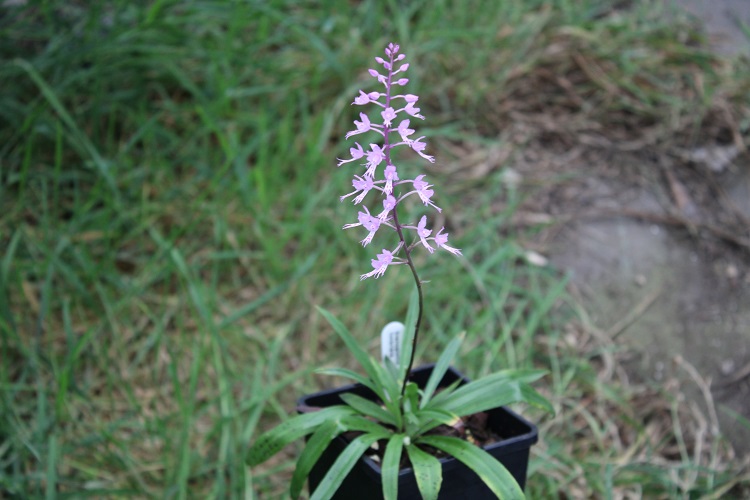
I have had a couple of attempts to grow Stenoglottis fimbriata that have been dogged by misfortune. I was starting to think that it was one of those awkward species that refuse to thrive
despite their promise. Finally I was able to buy this one from a reliable source and it has thrived. I'm not 100% sure that the name is right but the genus is only slowly
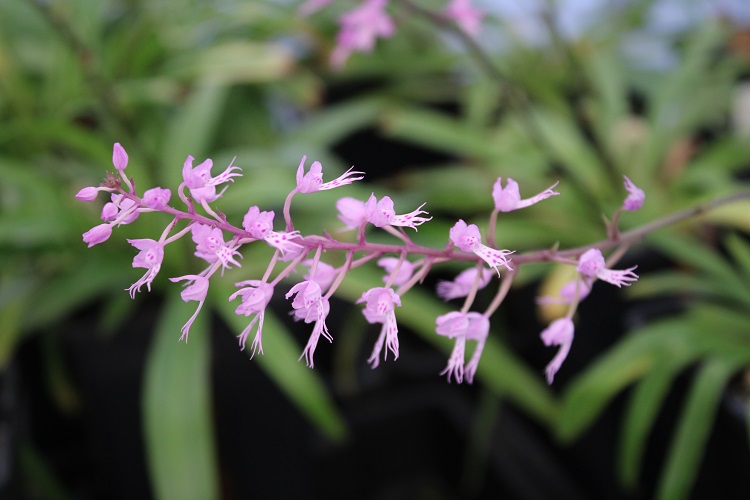
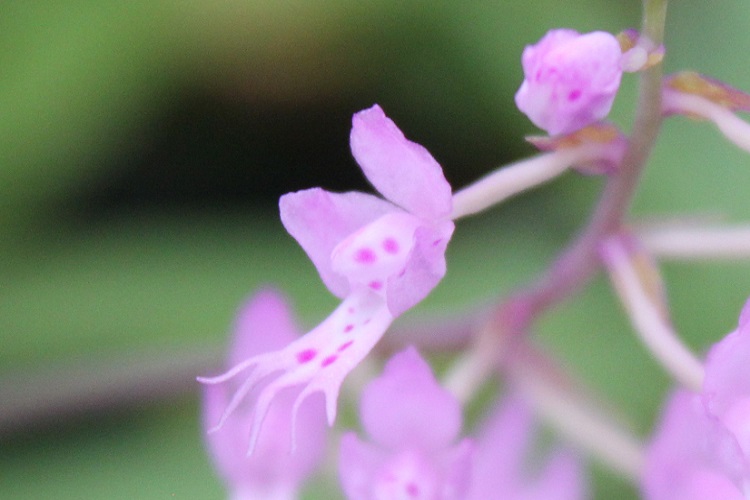
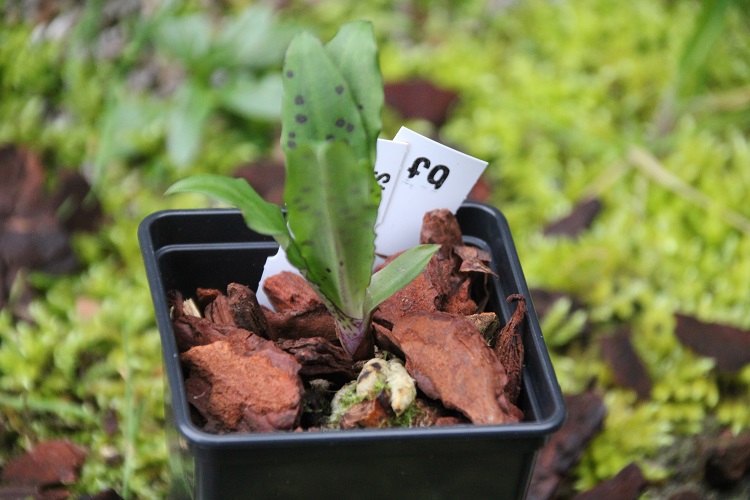
energing from taxonomic chaos and I am certainly a few steps behind that, so at present I will accept things as they are stated on the label. It has done well in the greenhouse, kept clear of frost for much of the time. Plantzafrica says: "Stenoglottis fimbriata is a terrestrial tuberous orchid, reaching a height of 300-400 mm. It is found growing in a very thin humus or moss layer on rocks or in humus-rich soil in rock crevices or on tree trunks or fallen logs in shaded forests. The root system consists of a clump of elongated, fleshy tuberous roots. The roots are hairy, which allows the plant to attach itself to rocks. This orchid is widespread in eastern South Africa in forests and patches of bush surrounding rocks, from the coast up to 1 800 m inland. It can be found growing on rocks, earth banks and epiphytically on moss-covered tree trunks. Plants have been recorded from Eastern Cape, Transkei, KwaZulu-Natal, Swaziland, Zimbabwe and Tanzania. The generic name Stenoglottis is derived from the Greek stenos meaning narrow and glotta meaning tongue, referring to the lobes of the lip (tongue-like lip). The species name fimbriata meaning fringed in Latin. The small genus Stenoglottis was established by John Lindley, English orchidologist in 1837. Based on a plant specimen of Stenoglottis fimbriata from Transkei, collected by a German explorer and traveller, J.F. Drège." |
|
| 20th March 2023 | ||